
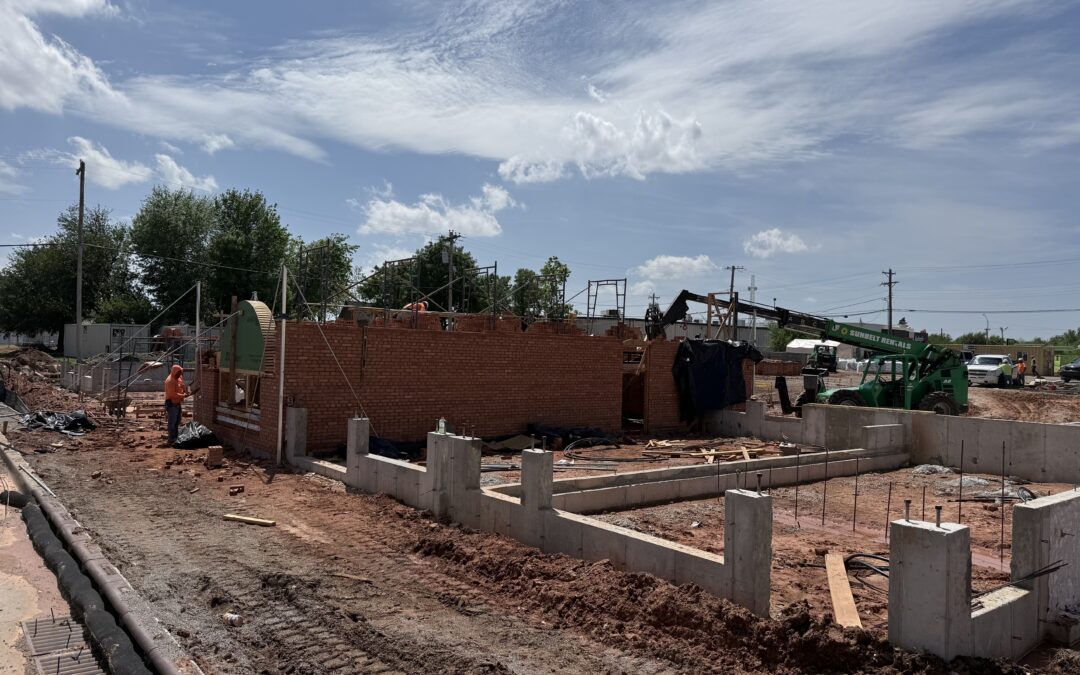
Some projects stand out because of scale. Others stand out because of finish. The Townsend is a standout Edmond structural masonry project that reflects how thoughtful brick design can shape the long-term character of a place. As a distinctive structural masonry project within a thoughtfully conceived pocket neighborhood setting, it demonstrates how brick can do more than shape a façade. It can help shape the identity, durability, and long-term character of an entire place.
A Project Built Around Place, Not Just Buildings
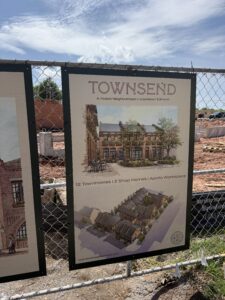
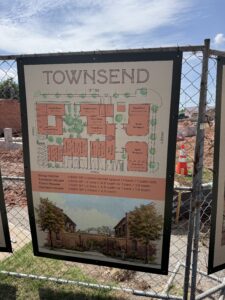
The Townsend is the kind of project that immediately feels different from standard new construction. Positioned in downtown Edmond, the development is framed as a pocket neighborhood designed around walkability, architectural character, and a stronger sense of community. That context matters because it helps explain why masonry is such an appropriate material choice here.
In projects like this, brick is not simply a visual finish. It becomes part of the project’s broader language. It supports scale, rhythm, enclosure, and permanence. It helps buildings feel rooted rather than temporary. And in a development intended to contribute to the surrounding fabric of Edmond, that kind of material presence carries real weight.
The Townsend is a strong reminder that good development is not just about what gets built. It is about what kind of place is being created in the long run.
Why Structural Masonry Changes the Conversation
There is a meaningful difference between using brick as a surface material and using masonry in a way that visibly defines the architecture. That is part of what makes The Townsend such a compelling project feature.
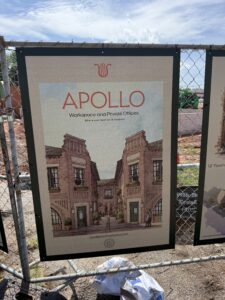
Here, the masonry presence reads as substantial, deliberate, and foundational to the character of the development. The walls, openings, and massing all suggest a project where brick is doing more than adding color or texture. It is contributing to the strength and identity of the architecture itself.
That matters for architects, builders, developers, and design-minded property owners because structural masonry brings a different set of associations to a project. It signals durability. It suggests long-term thinking. It offers a degree of visual credibility that lighter, more disposable materials often struggle to match.
In Oklahoma, where weather, longevity, maintenance, and curb appeal all carry practical importance, masonry still has a powerful role to play. The Townsend shows why.
Red Frosty Velour Brings Warmth, Texture, and Regional Strength
The brick featured on this project is Red Frosty Velour by Kinney Brick, supplied by Caprock Brick. It is a fitting choice for a development that appears to be balancing timeless design with regional authenticity.
What makes a brick like this work is not just color. It is the combination of tone, texture, and variation. On a project with traditional influences, walkable scale, and a focus on long-term architectural character, a flat or overly uniform brick would not carry the same presence. Red Frosty Velour helps create a richer result. It feels warm, grounded, and substantial in a way that supports the project’s broader design intent.
This is especially relevant in Edmond and the broader Oklahoma market. Brick has long been part of the region’s architectural vocabulary, but the right brick selection can elevate a project from familiar to memorable. That is the difference strong material decisions make. They help a building feel connected to its place while still standing apart.
Brick and Character in an Edmond Structural Masonry Project
One of the reasons brick remains such an important part of quality development is that it works on two levels at once.
First, it is a performance material. Brick is valued for durability, resilience, low maintenance, and long-term visual stability. Those qualities matter on any project, but they matter even more when the goal is to create buildings and spaces that will continue to hold their value over time.
Second, brick is a design material. It creates shadow lines, visual depth, texture, scale, and permanence. It gives architecture a sense of weight and authenticity. It helps projects feel built rather than assembled.
At The Townsend, those two roles appear to come together in a way that makes the project especially strong. The masonry does not just help the development perform well. It helps it feel architecturally convincing.
Craftsmanship Is Part of the Value
Projects that rely on masonry inevitably reveal something important: craftsmanship still matters.
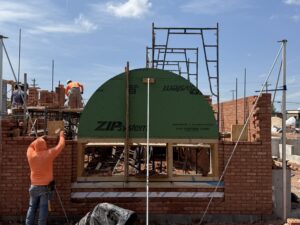
Brick is a material that rewards care. It shows alignment, proportion, detailing, and the discipline of the installer. On a project like The Townsend, that is part of the appeal. The visible work carries a sense of intention. The forms feel shaped, not rushed. The masonry presence suggests a project team committed to building something that will read well not just at completion, but years from now.
That matters for more than aesthetics. Craftsmanship affects how a project is perceived by future residents, tenants, visitors, and the market itself. Developments with strong material execution tend to hold their character better. They photograph better. They age better. And they often communicate a higher level of quality before a person ever steps inside.
For Caprock, this is one of the strongest reasons to feature work like The Townsend. It reflects the kind of project where good material selection and good execution come together in a way that is visible from the street.
Why This Edmond Structural Masonry Project Matters
Edmond continues to be a market where design quality and long-term value matter. As new residential and mixed-use projects come online, the difference between ordinary development and memorable development often comes down to material choices, architectural discipline, and whether the project contributes something lasting to its setting.
The Townsend appears to be doing exactly that.
It is not simply using brick to reference tradition. It is using masonry to support identity, enclosure, and architectural character in a way that fits both the project vision and the regional context. In a downtown environment, that is especially meaningful. Brick belongs in places where walkability, scale, and permanence are part of the value proposition.
For architects, builders, developers, and owners evaluating materials for projects in Oklahoma, this is the kind of example worth paying attention to.
What The Townsend Shows About Brick’s Long-Term Value
The strongest brick projects usually share a few things in common: they feel rooted, they feel durable, and they feel like they were designed to matter beyond the present moment.
That is what makes The Townsend such a strong Caprock project feature.
It shows how brick can support a development story built around character and longevity. It shows how masonry can reinforce placemaking rather than simply finish a wall. And it shows why the right brick selection still has the power to shape how a project is perceived for years to come.
For teams looking to build with more permanence, more material credibility, and more architectural depth, that is exactly the kind of lesson worth carrying forward.
The Townsend is the kind of project that reinforces why brick still matters. Not just because it lasts, but because it helps architecture feel grounded, thoughtful, and built for the long term. In Edmond and across the region, projects like this show what can happen when craftsmanship, structural presence, and material character all work together.
Planning a project where brick needs to do more than just finish the exterior?
Caprock Brick works with architects, builders, developers, and design teams to source materials that support both performance and design intent. If you are evaluating brick for a structural masonry project, a mixed-use development, or a design-led residential build, our team can help you narrow options that fit the project and the market.